A shepherd family, 1,700 sheep and 40 days of
transhumance to tell the story of the future of extensive livestock farming
·
The documentary “Generación trashumante”, presented in Trujillo,
follows the journey on foot of one of the last transhumant shepherd families
still crossing Spain between Extremadura and León
·
The film is part of the Caminos Trashumantes project and takes
place within the framework of the United Nations’ International Year of
Rangelands and Pastoralists 2026
·
The documentary explores the value of pastoralism, drove roads and
generational renewal in the future of rural areas
Trujillo, Monday, 18 May 2026 – Trujillo hosted the presentation
of “Generación trashumante”, a documentary that follows the journey on
foot of one of the last transhumant shepherd families still crossing Spain with
their flock.
The film follows José Manuel and his family as
they travel with their 1,700 sheep between Extremadura and León along a
transhumance route with more than five centuries of history. It portrays a way
of life closely tied to the land, the care of the landscape and the passing
down of a profession that today faces major challenges in ensuring its
continuity.
Directed by Raúl González and produced by Basic
Films, “Generación trashumante” also features singer María José Llergo,
who joins the journey as part of an experience that brings together music,
memory, landscape, sustainability and rural culture.
The screening took place within the context of
the United Nations’ International Year of Rangelands and Pastoralists 2026, an
initiative that highlights the importance of pastoralism in preserving
territories, biodiversity, food security and rural livelihoods.
Extensive livestock farming, landscape and
generational renewal
“Generación trashumante” portrays a way of life rooted in
the sustainable use of pasturelands, the care of the landscape and the
transmission of a traditional profession that today faces serious difficulties
in securing its future.
Every year, José Manuel and his family set out
on foot along the transhumance route linking Extremadura with the mountains of
León. Through this journey, the documentary addresses key issues affecting the
agricultural and livestock sector and rural communities, including generational
renewal, the sustainability of extensive livestock farming, the conservation of
drove roads and the preservation of open landscapes.
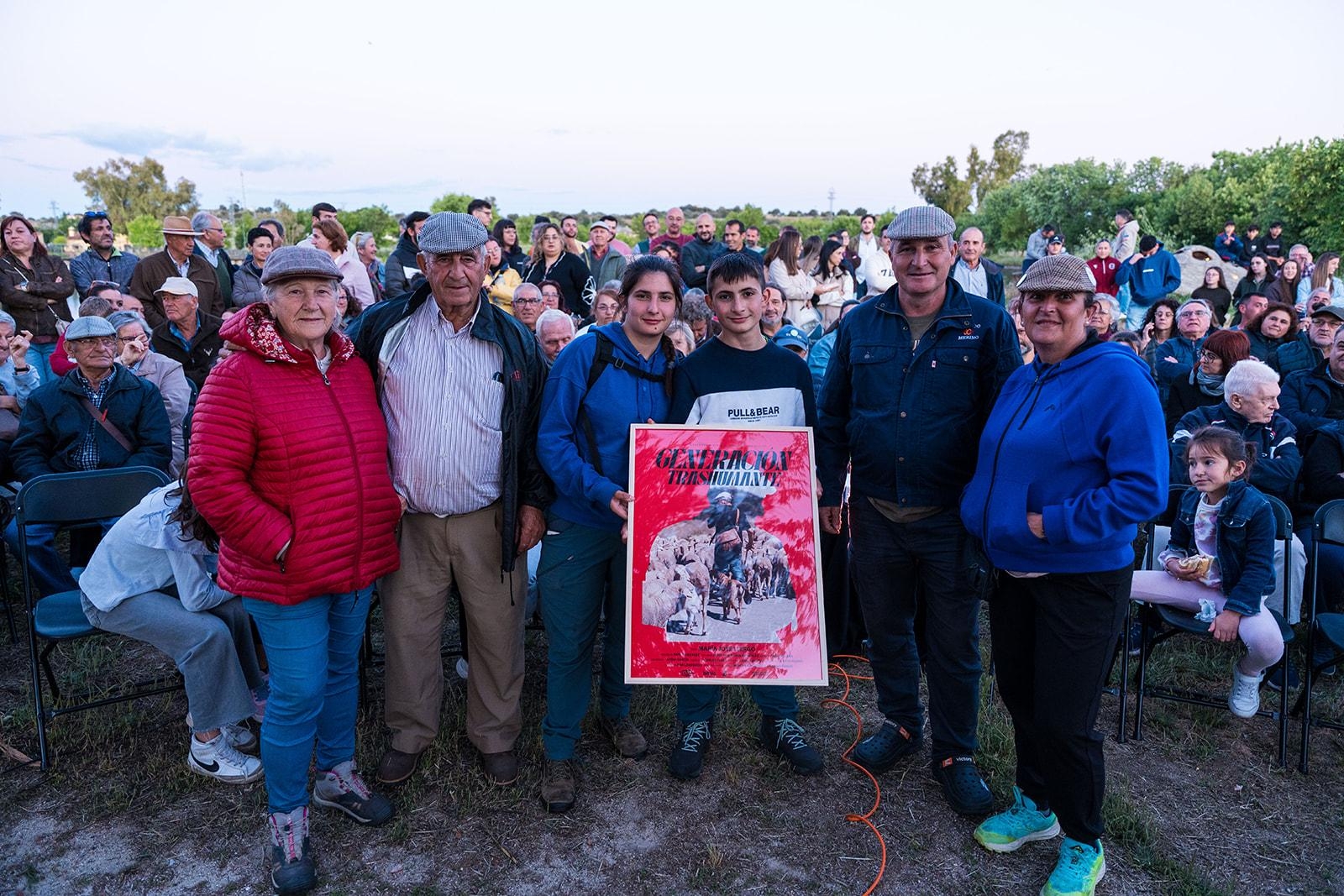
In Huertas de Ánimas (Trujillo), Carmen, José
Manuel and their children prepare for a new departure along the Cañada Leonesa
Occidental. Joining them are relatives, fellow shepherds and two outside
figures who bring a different perspective to the journey: singer María José
Llergo and Maxi, a shepherd of German origin connected to this way of life.
Throughout the route, the flock sets the pace
of a journey that remains deeply connected to the territory. The road reveals
the physical demands of transhumance, but also its productive, ecological,
cultural and human value.
Drove roads as rural infrastructure
In 2023, UNESCO recognised transhumance as
Intangible Cultural Heritage of Humanity. In Spain, this practice is linked to
a network of more than 125,000 kilometres of drove roads that for centuries
have connected territories, grazing lands, villages and rural economies.
The documentary presents this network as a
living rural infrastructure still sustained by the work of specific people,
families and flocks. Its continuity raises important questions for the sector
today: who will maintain these routes, how grazing lands will be preserved,
what role extensive livestock farming will play in land management and how
generational renewal in rural areas can be guaranteed.
In this context, “Generación trashumante”
“offers a close-up look at the people sustaining a practice that connects food
production, biodiversity, culture, landscape and memory,” explains screenwriter
Jaime Pire.
Caminos Trashumantes
“Generación trashumante” is part of the Caminos Trashumantes project, an
initiative focused on the cultural and social recovery of drove roads and
transhumant culture as part of Spain’s rural heritage.
Promoted by Fundación Monte Mediterráneo,
Cesefor, the Municipality of Checa, Wild Watching Spain and the COW agency, and
supported by Spain’s Ministry of Industry and Tourism through the Experiencias
Turismo España programme, the project — funded through Next Generation EU funds
— has succeeded in building a national network of more than 370 rural
stakeholders linked to the culture and economy of transhumance.
Its territorial impact has reached more than
400 municipalities across ten autonomous regions, particularly in areas at risk
of depopulation. The network of activated transhumant routes forms part of the
125,000 kilometres of drove roads that still structure rural Spain today.
FOR INTERVIEWS AND MATERIALS
Óscar Delgado
+34 960 074 457 / +34 629 818
287