Did you know that the future of extensive
livestock farming and transhumance is being forged right now in the mountain
pastures?
As part of Action 6 of the BioNNOMÍA
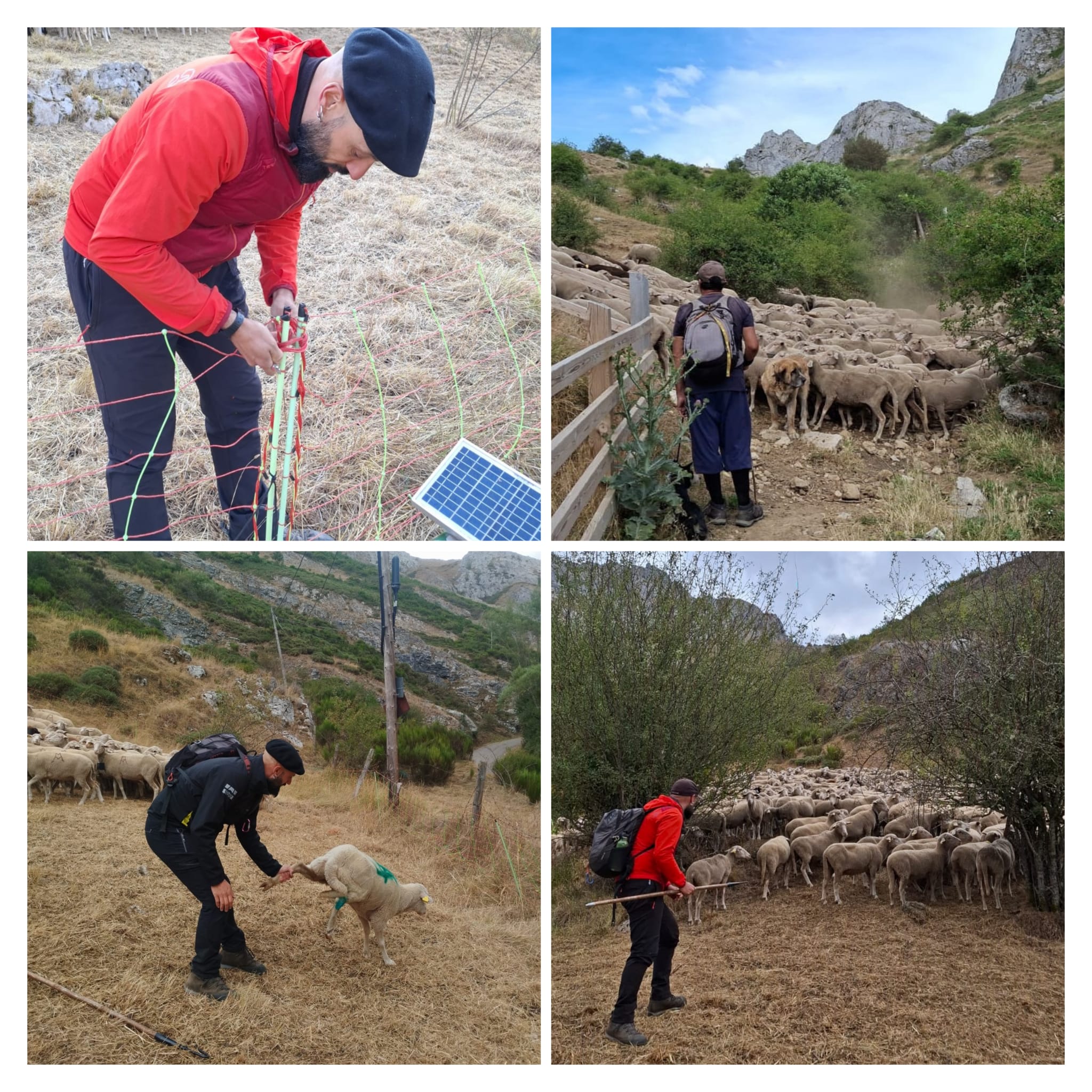
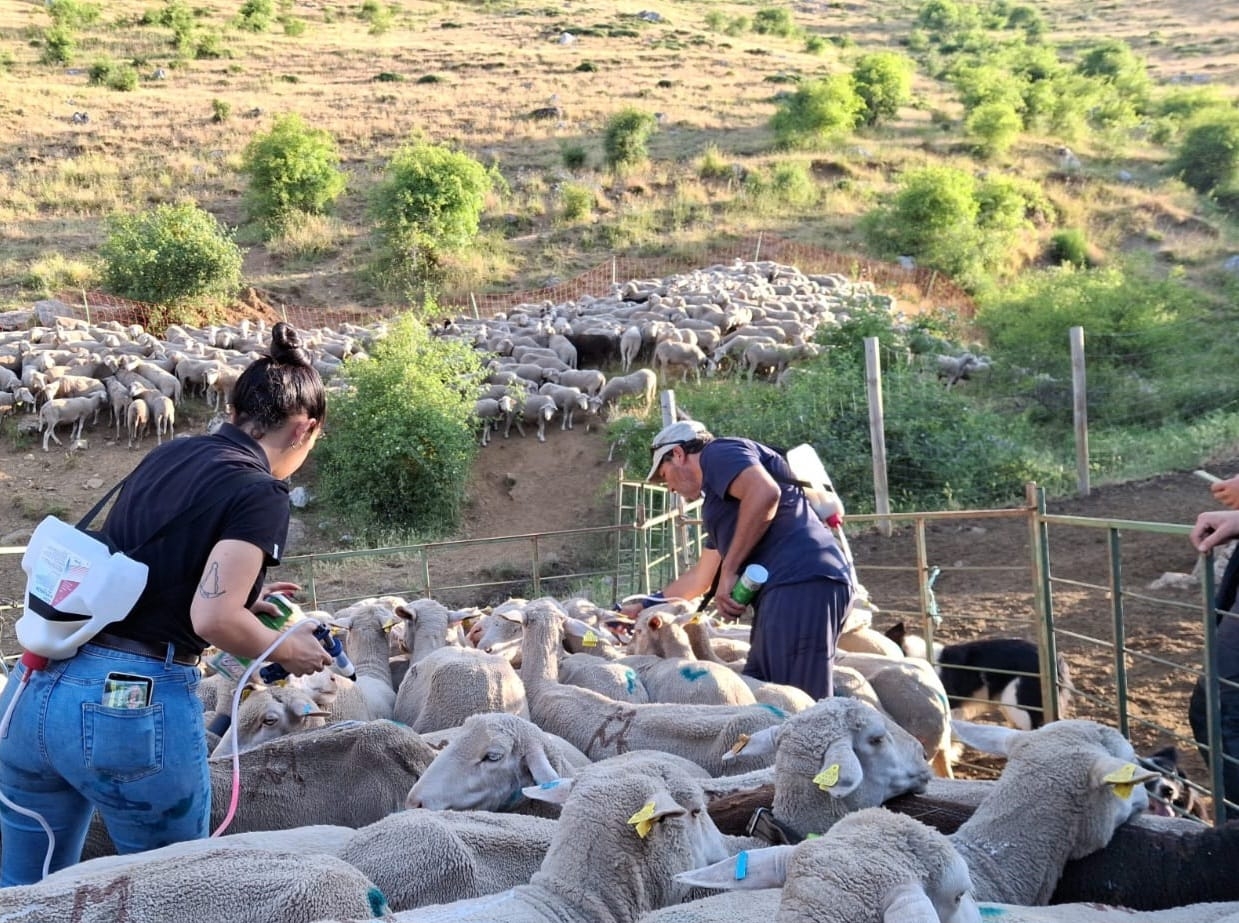
project, we have witnessed an exciting milestone: the practical phase of
training new shepherds. After completing the theoretical section last June, our
students have spent the past few months fully immersed in hands-on learning,
applying their knowledge directly in the field.
This is not just any training — it’s a bridge
between the ancestral tradition of shepherding and the tools of the 21st
century. The goal is clear: to ensure generational renewal.
The importance of this initiative lies in the
following:
1. Generational Renewal and Connection with the
Land
Shepherding is an age-old practice that needs
new professionals to survive. Training the next generation of shepherds is
essential to guarantee generational continuity and to keep this management system
alive. Furthermore, fieldwork connects future shepherds with natural cycles and
the importance of caring for the environment. Without them, ancestral knowledge
and a vital bond with the land would be lost.
2. Wildfire Prevention and Biodiversity
Conservation
Extensive livestock farming and transhumance
are key tools for preventing wildfires. Livestock act as a “living firebreak,”
clearing the vegetation that could otherwise become fuel. This land management
system is crucial for conserving biodiversity and maintaining healthy
ecosystems, as it helps keep landscapes open and prevents the spread of
invasive species.
3. Shepherding as a Pillar of the Bioeconomy
Extensive shepherding is a cornerstone of the
bioeconomy, an economic model that uses biological resources in a sustainable
way. This activity not only produces high-quality food but also provides
essential environmental services. By grazing on vegetation, livestock promote
ecosystem health and contribute to a more efficient and sustainable use of the
land’s natural resources.