Caminos Trashumantes is a platform that follows
ancient drove roads and livestock trails to offer a different kind of tourism.
This initiative was created to promote—and create—leisure activities and
experiences related to transhumance, as well as traditional and sustainable
livestock practices throughout Spain. It’s a way of preserving and reviving our
heritage while also supporting the economic sustainability of transhumant
shepherds.
On March 29, the experience “The Winter of the
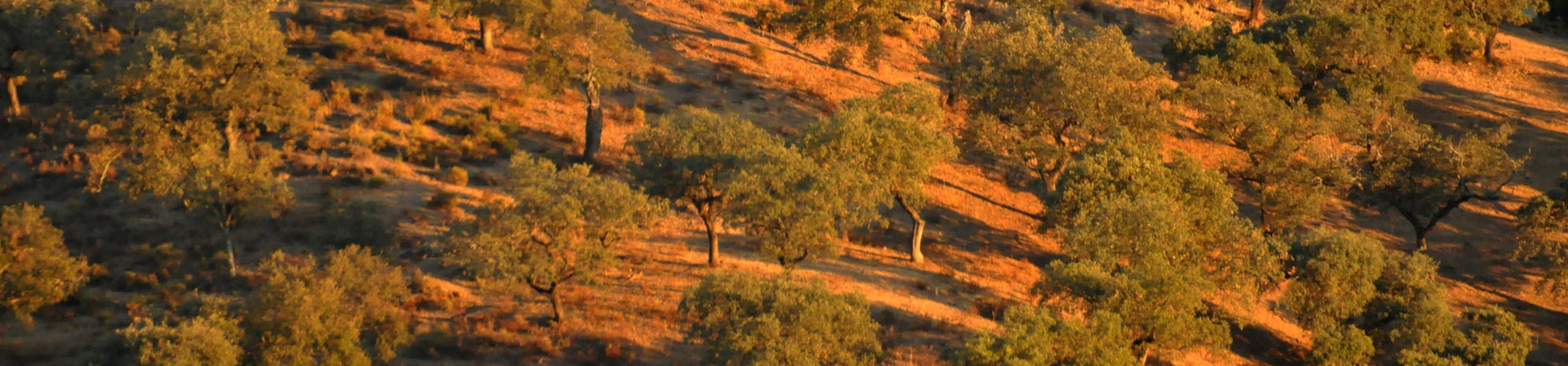
Transhumant Flock” was held at Dehesa de San Francisco, in Santa Olalla del
Cala (Huelva). Organized by the Fundación Monte Mediterráneo as part of the
Caminos Trashumantes platform, attendees enjoyed a guided visit through the
dehesa, learning about the management of a transhumant sheep flock and the
landscape where they graze during the winter season. The visit also included a
horseback riding and dressage show by rider Adrián Delgado, followed by a tasting
of local products under a centuries-old holm oak in this unique natural setting
in Huelva.
Based on the historic routes flocks and
shepherds have traveled for centuries across Spain, the platform was created to
strengthen rural communities, promote environmental and social sustainability,
and offer an additional income stream to help shepherds continue with
transhumance and traditional livestock practices.
Transhumant and Barrier-Free Tourism
Today, the network of cañadas reales and other
drove roads—once used for centuries by flocks crossing the country—is open to
travelers seeking culture, tradition, and nature. These routes have not only
structured our territory but have played a crucial role in shaping Spain’s
cultural and historical identity.
“This initiative aims to offer people a new way
of enjoying inland tourism, connecting them with a unique and deeply rooted
heritage like transhumance and traditional, sustainable livestock farming,”
explained Ernestine Lüdeke, president of Fundación Monte Mediterráneo and one
of the platform’s promoters.
“Moreover,” Lüdeke added, “we are firmly
committed to ensuring that transhumant tourism is accessible to all. We are
working to make Caminos Trashumantes’ experiences increasingly inclusive—this
includes providing essential information for travelers with specific needs,
such as nearby medical services or the level of accessibility in
accommodations. We also plan to launch barrier-free experiences, like the one
we’ll host this July in Salamón (León) in collaboration with the mountain club Club de Montaña Pandetrave.”
A Heritage in Danger of Disappearing
For centuries, shepherds crossing Spain from
north to south and east to west transported more than just their flocks. They
carried with them words, recipes, tools, customs, and traditions. The cañadas
reales connected essential territories, enabling both cultural exchange and
trade over the centuries. Transhumance is not only cultural heritage—it is one
of the most sustainable forms of livestock farming, thanks to its optimal use
of pastures and the ecosystem services it provides.
However, the difficulty of continuing this
practice and the lack of generational succession have put this heritage at
serious risk of disappearing.
“This legacy has withstood the test of time and
preserves the most authentic aspects of our history, culture, and gastronomy,”
said Kenza El Hemdi Sánchez, coordinator of Caminos Trashumantes. “We want to
give visibility to this contribution and provide active shepherds with a way to
diversify their income. We also aim to empower rural communities that can offer
valuable complementary services and experiences to visitors.”
A Platform to Showcase Rural and Sustainable
Leisure
Caminos Trashumantes is open to all kinds of
leisure experiences connected to transhumance or traditional, sustainable
livestock farming. It could be accommodation, a travel agency, a bike rental
service, an adventure tourism activity, a wool workshop, or an artisanal cheese
dairy. Anyone offering such experiences in a region connected to a cañada real
or drove road can join the platform, as long as their activity promotes
traditional and sustainable livestock practices.
“We’re currently reaching out to potential
service providers who could join the platform—not just existing experiences,
but also to shepherds looking to diversify their activity,” added the platform
coordinator. “Those interested can apply directly through our website.”
Currently, Caminos Trashumantes is developing
several experiences along the Cañada Real Leonesa Occidental and the Cañada
Real Conquense. The coordinators hope more unique proposals will join the
network over time, offering an authentic alternative for inland and
nature-based tourism.
“The next activity is scheduled for May 16 and
17 in Trujillo (Cáceres), where visitors will be able to accompany a
transhumant flock for a day, along with other complementary experiences that
are still being finalized,” explained El Hemdi.
More Information:
Cristina Ramos
cristina@copilotoad.com